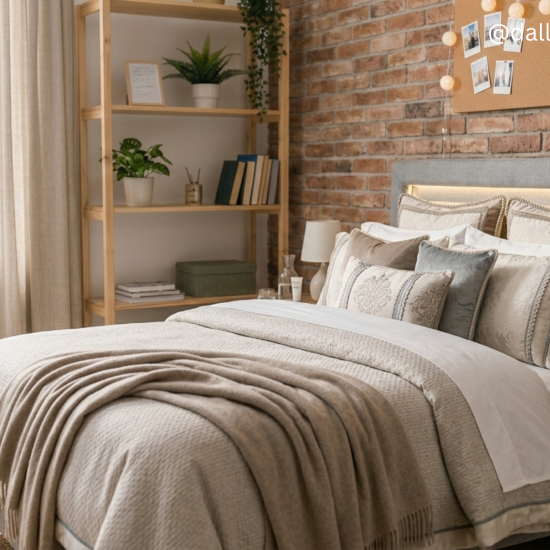
Moving into your first apartment is one of those milestones that feels incredibly exciting right up until you realize you need to buy literally everything — from a can opener to a mop to curtains — all at once. The costs add up fast, and it’s easy to either overspend on things you don’t need yet or forget the basics entirely and end up without a shower curtain on move-in night (yes, it happens).
This checklist covers only the actual essentials, organized room by room, with honest price ranges so you can budget realistically before you start shopping. The dollar store and Target are your best friends for the smaller items — buy those in advance over a few weeks so you’re not hit with one giant bill on move-in day.
Before You Shop: Budget Tips
Buy small items early. Start picking up the cheaper stuff — cleaning supplies, kitchen utensils, bathroom basics — weeks before your move. Spreading out smaller purchases makes the total cost feel much more manageable than buying everything in one trip.
Opt for glass and stainless steel where you can. They last longer, look better, and are easier to clean than cheaper plastic alternatives. Worth the slightly higher upfront cost for anything you’ll use every day.
Measure your space before buying furniture. Seriously — do this before you order a single piece. Nothing is worse than a sofa that doesn’t fit through the door or a bed frame that blocks the closet. Measure doorways too, not just the room.
Get renter’s insurance. Many landlords require it, and even when they don’t, it’s worth having. It’s inexpensive — usually $15–$30 a month — and covers theft, damage, and liability. Sort it out before move-in day.
Kitchen Essentials
The kitchen is where costs sneak up on you fastest. You don’t need a fully stocked cooking setup on day one — just the basics to actually feed yourself. Build from there.
Pro tip: Go for glass food containers and stainless steel cookware. They last years longer than cheap non-stick sets and are much better for the environment.
- Chef’s knife + paring knife — $20–$80
- Cutting board — $10–$30
- Non-stick skillet (10–12″) — $20–$60
- Saucepan (2–3 qt) — $20–$50
- Large pot (6–8 qt) — $25–$60
- Sheet pan — $10–$25
- Mixing bowls (set of 3) — $10–$30
- Colander / strainer — $5–$20
- Utensils (spatula, wooden spoon, ladle, tongs) — $2–$10 each
- Can opener — $5–$15
- Measuring cups and spoons — $5–$15
- Dishes: plates, bowls, mugs (4 sets) — $20–$80
- Glasses / cups — $10–$40
- Cutlery (silverware) set — $15–$50
- Food storage containers — $15–$40
- Trash can + bags — $10–$50
- Paper towel holder — $5–$20
- Dish drying rack — $10–$30
- Dish soap, sponges, dish towels — $10–$20
- Oven mitts — $5–$20
Estimated total: $210–$748
Renter tip: Don’t buy every kitchen gadget at once. Get the basics, cook in your space for a week or two, and then you’ll know what you actually need. Most people never use half the things they buy upfront.
Bathroom Essentials
Bathroom essentials aren’t glamorous but they’re the thing you’ll be most annoyed about if you forget them. The shower curtain situation — you need both a curtain and a liner — trips up almost everyone moving into their first place.
Pro tip: Invest in multi-purpose cleaning products and good storage solutions to keep a small bathroom organized without cluttering the counters.
- Shower curtain + liner + rings — $15–$60
- Bath towels (2–3 per person) — $8–$30 each
- Hand towels (2–3) — $5–$15 each
- Bath mat — $10–$40
- Toilet paper (buy in bulk) — $10–$25
- Toilet brush + holder — $5–$20
- Plunger — $5–$20
- Trash can (small) — $5–$25
- Shower caddy — $10–$40
- Hand soap dispenser — $5–$20
- Toothbrush holder — $5–$15
- Mirror (if not built-in) — $15–$60
Estimated total: $103–$370
Personal Hygiene Basics
- Toothbrush + toothpaste — $5–$15
- Floss — $2–$5
- Shampoo + conditioner — $8–$30
- Body wash — $5–$15
- Loofah or washcloth — $2–$10
- Cotton rounds + Q-tips — $5–$10
- First aid kit basics (band-aids, pain reliever, antacids) — $15–$40
Estimated total: $42–$125
Renter tip: Pack a separate bag with everything you’ll need on move-in night — toiletries, a change of clothes, phone charger, any medications. This bag should be the last thing you pack and the first thing you unpack. You’ll be exhausted at the end of moving day and you don’t want to dig through boxes just to brush your teeth.
Cleaning Supplies
You can’t keep a space clean without the right tools, and scrambling to find cleaning supplies after move-in is no fun. Stock these before your first day so you can wipe everything down when you arrive — apartments often need a clean before they feel truly yours.
Pro tip: Keep everything in a cleaning caddy so it’s portable and you can carry it from room to room. It makes cleaning so much faster and you’ll actually do it more often.
- Vacuum cleaner — $50–$300
- Broom + dustpan — $10–$40
- Mop + bucket (or Swiffer) — $15–$60
- Scrubbers + sponges — $5–$15
- Microfiber cloths — $8–$20
- Duster — $5–$20
- All-purpose cleaner — $3–$10
- Bathroom cleaner — $3–$10
- Glass / window cleaner — $3–$10
- Floor cleaner — $5–$20
- Dish soap — $2–$8
- Laundry detergent — $8–$25
- Dryer sheets or fabric softener — $5–$15
- Cleaning gloves — $3–$10
- Cleaning caddy — $5–$20
- Trash bags (multiple sizes) — $8–$20
Estimated total: $147–$633
Renter tip: Set up utilities — electricity, water, gas, internet — well before move-in day, not the day of. It’s one of those things that feels like it can wait until the last minute and then suddenly you’re moving into a dark apartment with no Wi-Fi.
Living Room Essentials
The living room is the space that makes your apartment feel like a home, not just a place you sleep. You don’t have to furnish it perfectly all at once — start with the big pieces and add in decor over time as you figure out what the space actually needs.
Pro tip: Mix textures and materials rather than buying a matching set. A room full of identical furniture looks less interesting than pieces that complement each other without being identical. It also means you can swap things out over time without the whole room looking mismatched.
- Sofa or sectional — $300–$1,500
- Coffee table — $50–$400
- TV + TV stand or wall mount — $300–$1,500
- Area rug — $50–$400
- Floor lamp or table lamp — $25–$150
- Throw pillows (2–4) — $15–$60 each
- Throw blanket — $15–$60
- Curtains + curtain rod — $25–$100 per window
- Bookshelf or storage unit — $50–$300
- Power strip / surge protector — $10–$30
- Wall art or decor — $20–$150 per piece
Estimated total: $860–$4,650
Renter tip: Before you sign anything, do a thorough walk-through of the apartment and document every scratch, scuff, and issue with photos. Send them to your landlord in writing. This protects your security deposit and ensures you’re not paying for damage that was already there when you moved in.
Bedroom Essentials
Your bedroom is the one space that should feel completely like yours — cozy, calm, and actually restful. Prioritize your mattress and bedding here — you’ll spend a third of your life in this room and a good night’s sleep is worth the investment.
Pro tip: Stick to calm, neutral tones in the bedroom and keep surfaces as clear as possible. A clutter-free bedroom genuinely makes it easier to fall asleep and easier to keep tidy.
- Mattress — $200–$1,500
- Bed frame — $100–$800
- Mattress protector — $20–$80
- Fitted sheet + flat sheet (2 sets) — $25–$100 per set
- Pillows (2–4) — $15–$60 each
- Pillowcases — included with sheet sets
- Duvet insert + duvet cover — $50–$250
- Extra blanket — $20–$80
- Nightstand (1–2) — $50–$250 each
- Dresser — $100–$500
- Lamp — $20–$100
- Curtains + curtain rod — $25–$100 per window
- Hangers (30+) — $8–$20
- Laundry hamper — $15–$50
- Full-length mirror — $30–$150
Estimated total: $698–$4,138
Renter tip: Explore your new neighborhood before move-in if you can — walk to the closest grocery store, find a coffee shop, figure out where things are. It makes a new place feel familiar much faster, which makes the transition from home to your own space so much easier.
Basic Supplies and Tools
This is the category everyone forgets until they’re trying to hang something with no hammer or assemble furniture with no screwdriver. Keep these on hand from day one and you’ll be ahead of every problem that comes up.
Pro tip: A quality tool kit is a one-time purchase that you’ll use for years. Don’t buy the cheapest one you can find — mid-range tools from a hardware store will last much longer than a dollar store kit.
- Basic tool kit (hammer, screwdrivers, pliers, measuring tape) — $25–$80
- Drill — $40–$150
- Level — $5–$20
- Command strips + hooks (various sizes) — $8–$20
- Extra lightbulbs (LED) — $10–$25
- Fire extinguisher — $20–$60
- Smoke detector batteries — $5–$15
- Flashlight — $8–$30
- First aid kit — $15–$50
- Small step ladder — $20–$80
- Scissors, tape, pens, notepad — $5–$15
Estimated total: $161–$545
What to Buy First vs. What Can Wait
Not everything on this list needs to happen on or before move-in day. Here’s how to prioritize.
Buy before move-in day: Mattress and bedding, shower curtain and liner, towels, toilet paper, cleaning supplies, basic kitchen essentials, trash cans, laundry hamper, lightbulbs, and your “move-in night” bag of toiletries and a change of clothes.
Can wait a week or two: Full furniture setup, wall art, extra decor, a full tool kit, curtains, a vacuum, and anything that requires measuring the space first.
Can wait a month: Accent chairs, rugs, shelving, and any upgrade items. Live in the space for a few weeks before buying these — you’ll have a much better sense of what you actually need and where.
Moving into your first apartment is one of those experiences you’ll look back on and be really proud of. It feels like a lot right now, but you figure it out faster than you think. Use this checklist as a starting point, prioritize the absolute essentials first, and build from there. You’ve got this.